
Hi I’m Tawni, a wife and mom to 5 grown kids, and our youngest son has dyslexia.
We tried it all: public school, homeschool, tutors, programs, and plenty of things I made up at the kitchen table when nothing else worked.
Most dyslexia help is too expensive or made for little kids, and my son wasn’t little. Everything here comes from those years, the good and the bad, so you don’t have to spend countless hours doing it yourself.

Printables Made For Older Kids
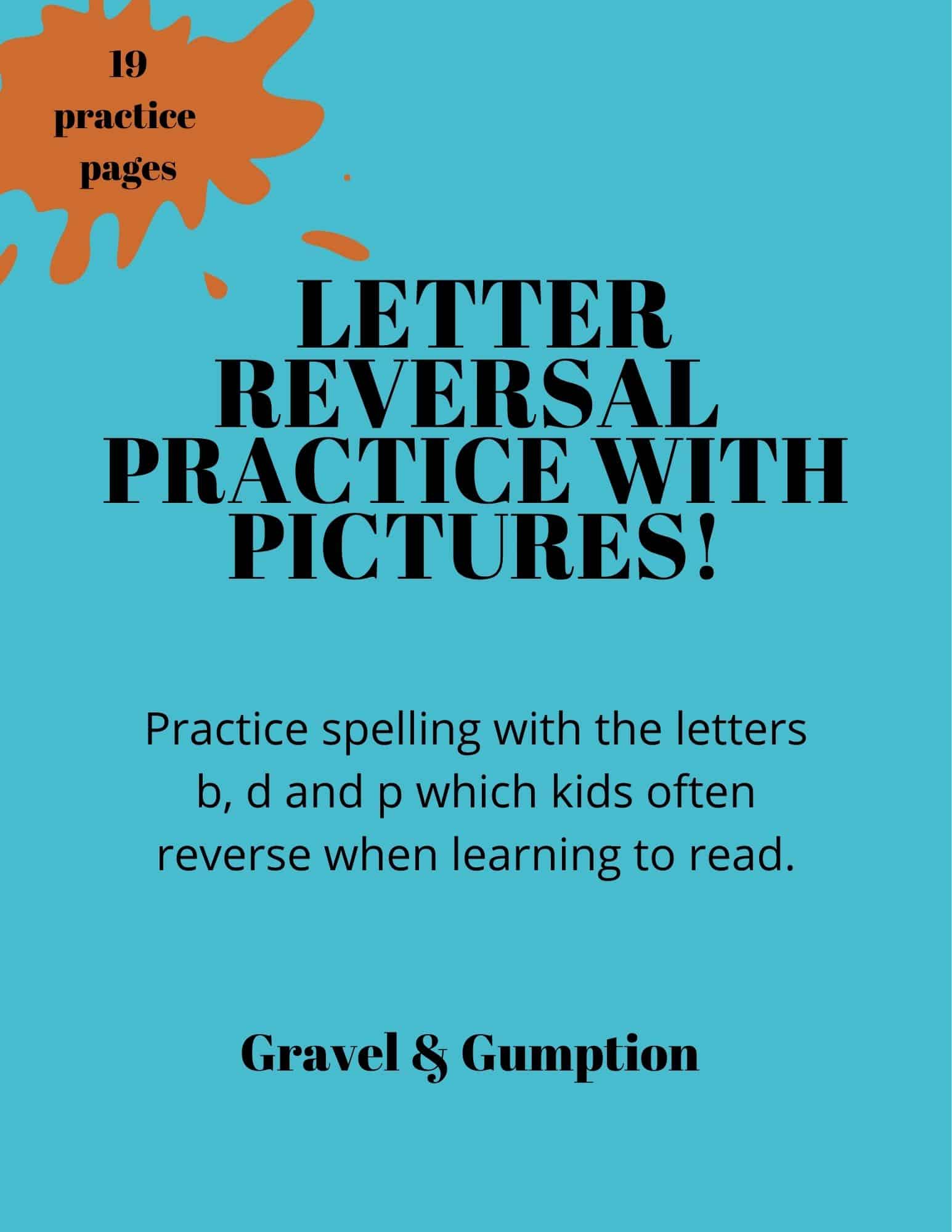
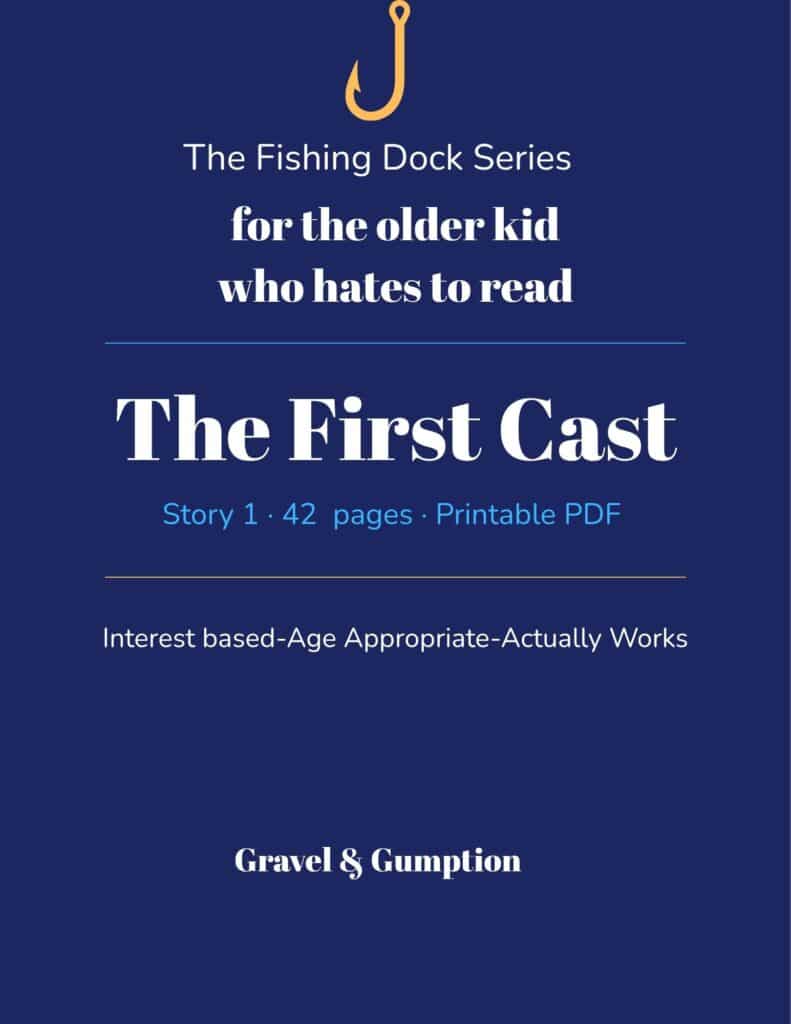
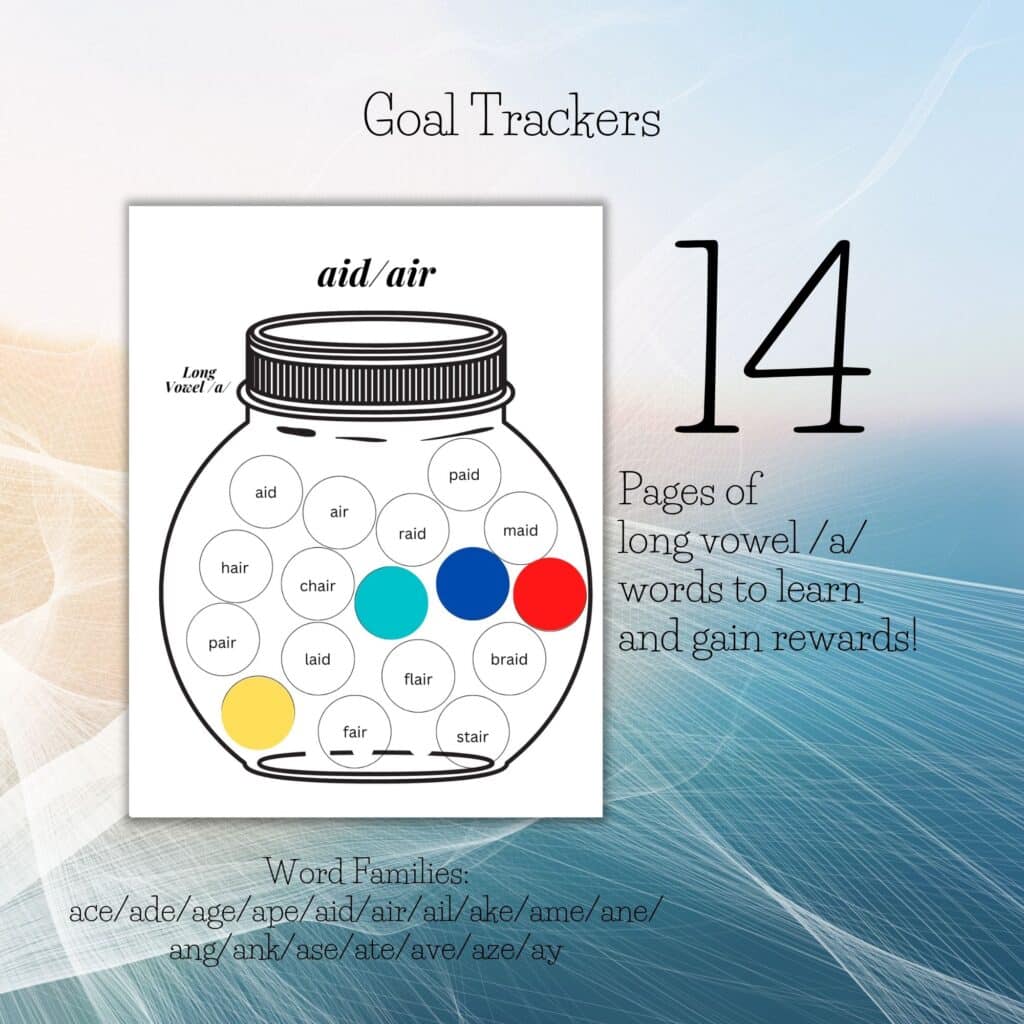
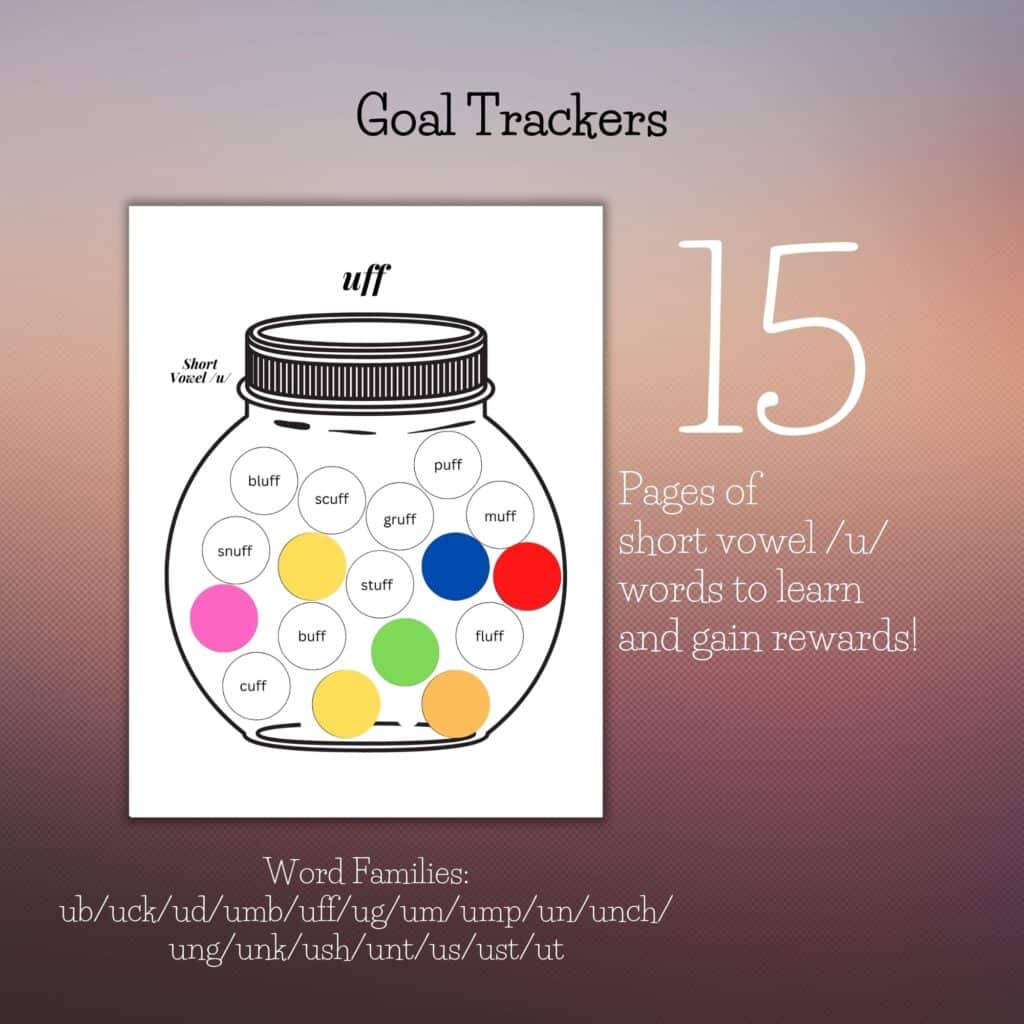
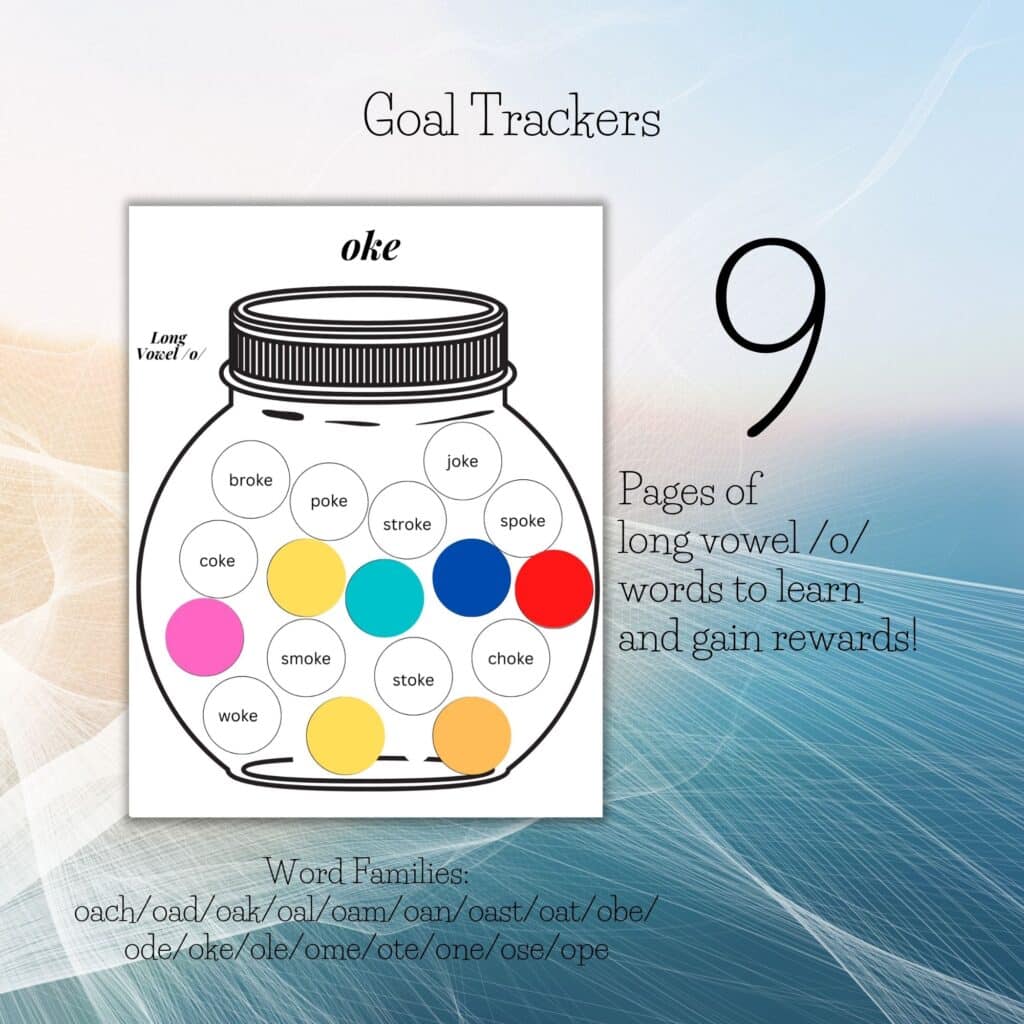
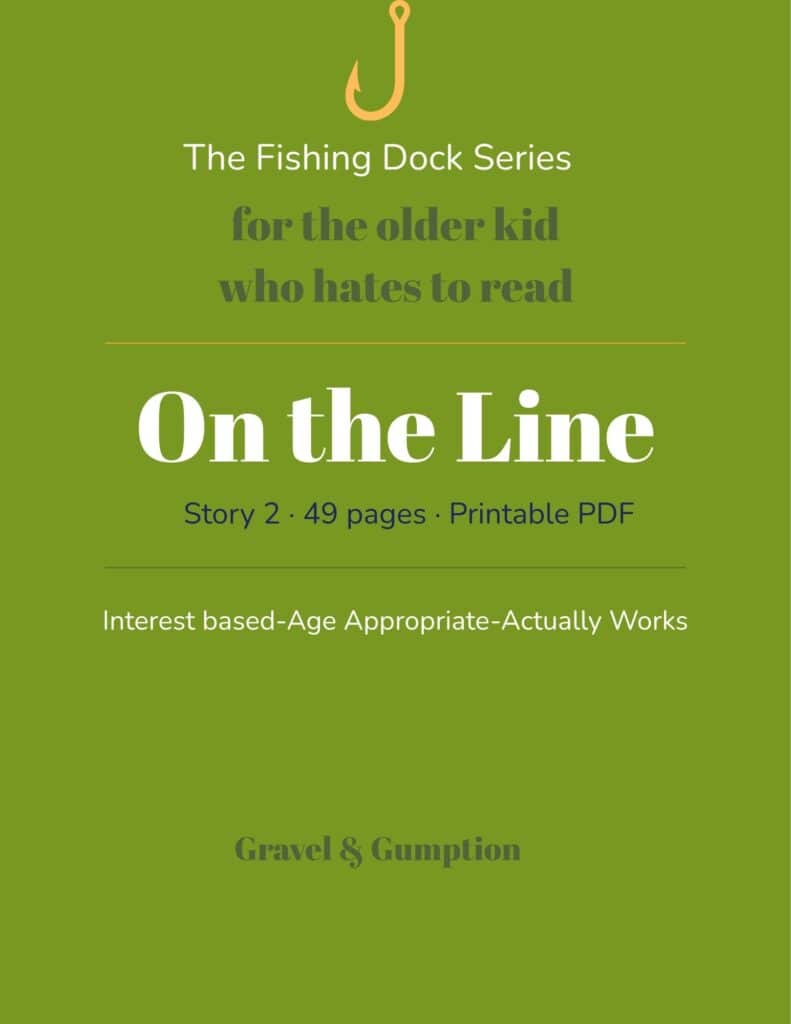
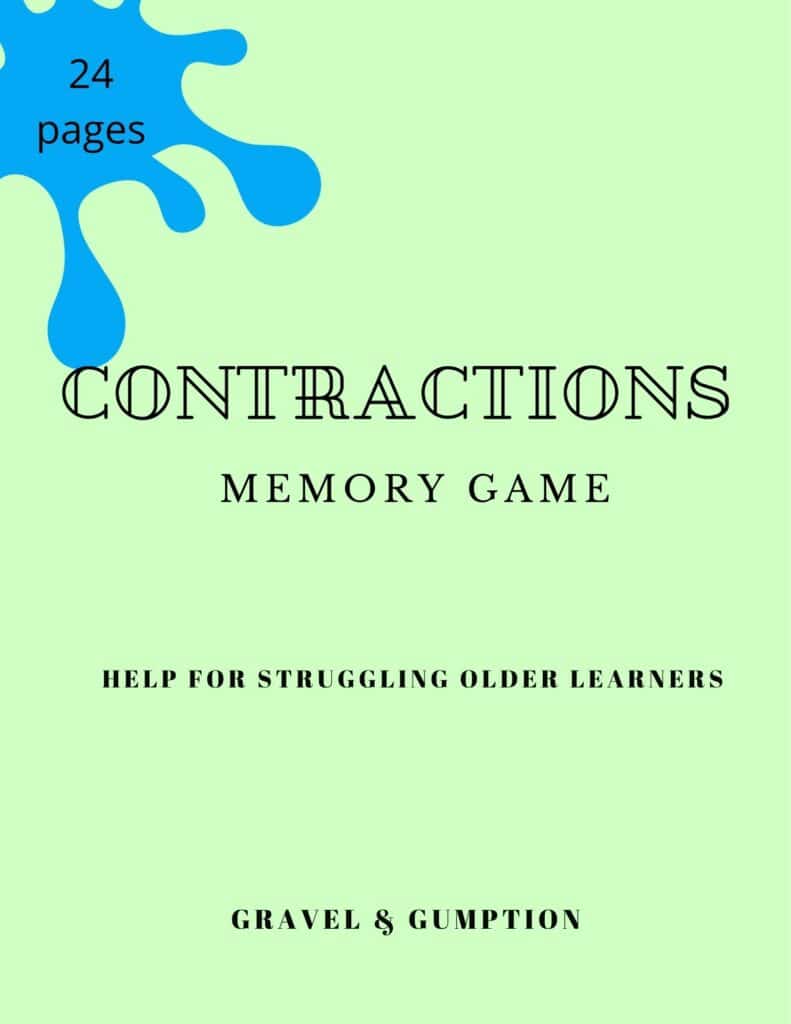
Decodable readers, phonics kits, and activities made for older kids with dyslexia, and priced for real families. You can browse through all of them in The Printable Shop tab.
From The Trenches
The questions you’re asking in your group chats, answered one post at a time.
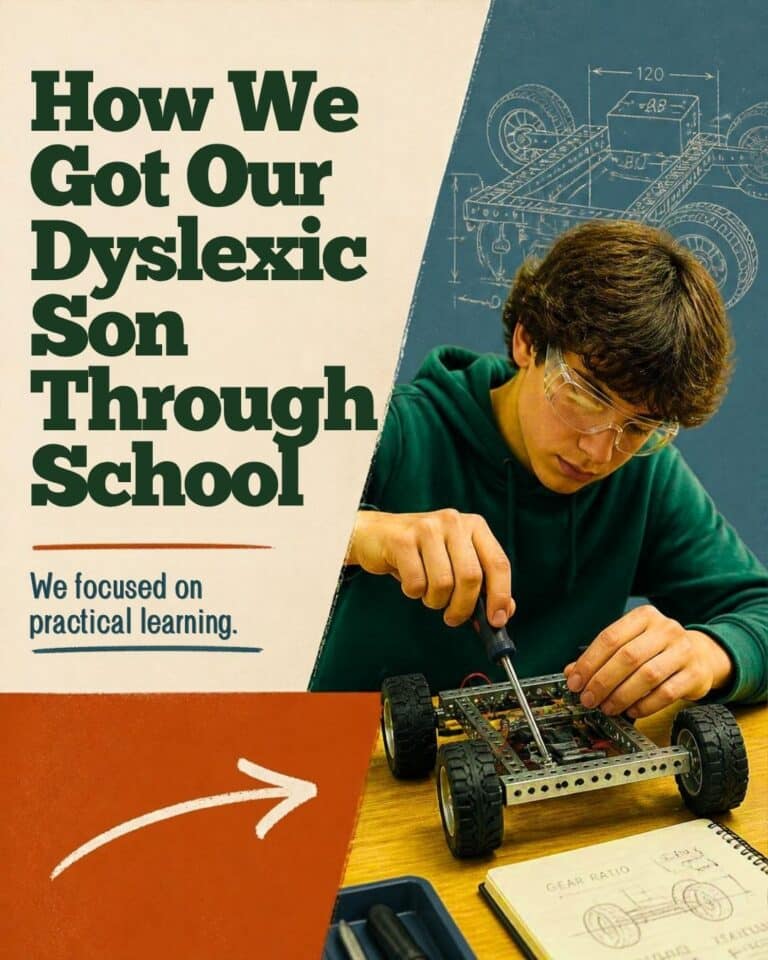
How We Got Our Dyslexic Son Through School
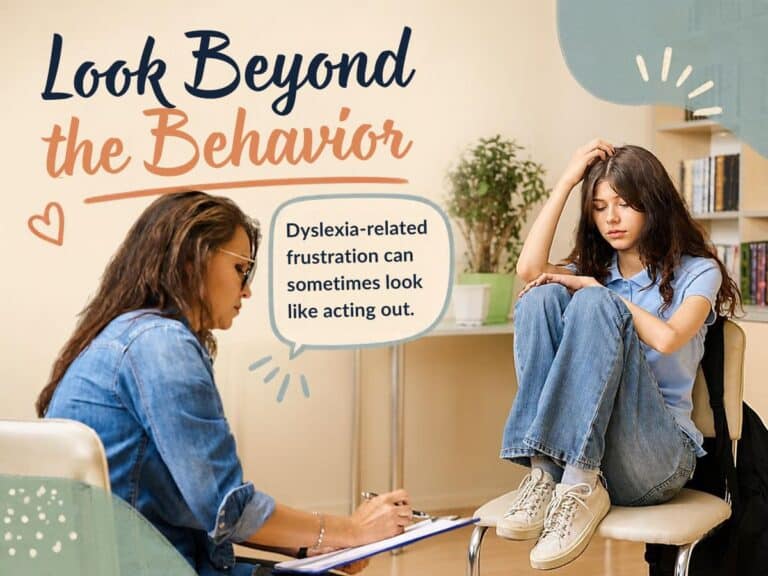
Dyslexia and Behavior Problems: It Was Never the Attitude

Dyslexia and Sports: Our Son Struggled Until We Did This
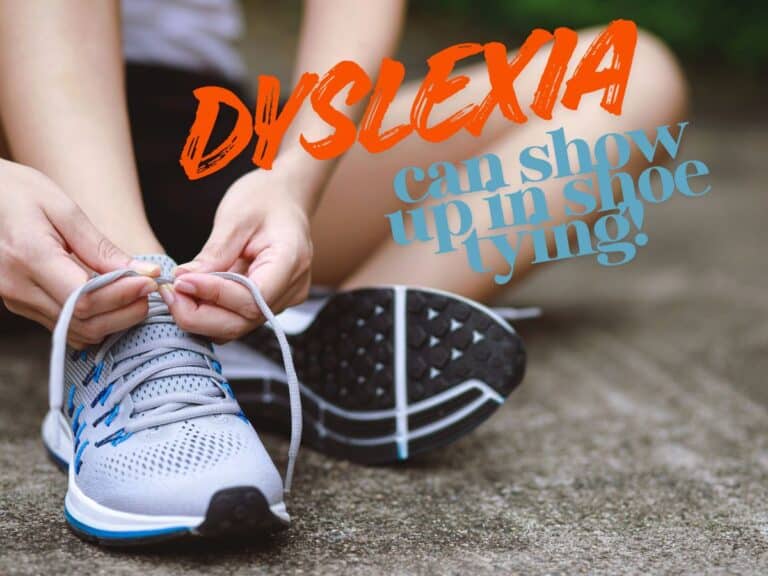
Dyslexia Signs Beyond Reading: What We Missed for Years
Learning That Doesn’t Feel Like Remedial School
Dyslexia-friendly printables, games, and hands-on projects for older kids, teens, and adults.
If your child is 9, 12, or 17 and still struggling with reading, spelling, or directions, you have probably noticed that most “help” is made for little kids. Babyish worksheets, flashcards, and drills can make an older learner feel more behind, not less. I made my printables for the learner who is too old for that and too tired of feeling like school is a fight.
What these are
My printables are active, fun practice you do together for about 20 to 30 minutes a day, every day or several times a week. They are not a replacement for your current curriculum. They are an addition to it, a playful boost that supports what your learner is already working on. If you ever want to use them as your main program, you can.
There are no grade levels to pass and no tests. If you stay on one activity for weeks or even months, that is completely fine. Repetition is how skills settle in, and keeping it fun is what gets a teenager to show up again tomorrow.
Skills that get practiced while you play
Many of these build on each other in a single activity:
- Right and left
- Phonics and letter sounds but with more multi sensory learning
- Sight word recognition
- Letter reversals
- Reading comprehension
- Reading fluency (over time)
- Crossing the midline
- Following directions
- Math and number sense
- Balance, coordination, and whole-body movement
- Memory, focus, and problem solving
- Real life skills and hands-on projects for teens
What you get
- A workout. You both get moving, which gets the brain moving too.
- Bonding. Twenty minutes of laughing together beats twenty minutes of arguing over homework.
- A happier kid. Learning feels like a game or a project, not a reminder of what is hard.
- Real life skills. Your learner builds, solves, and figures things out with their hands.
- A finished project. They get to say “I actually did it.”
Does this sound like your house?
- “My child is smart, but reading and spelling are exhausting for them.”
- “They hide it, avoid it, or say they hate school.”
- “Everything out there feels made for little kids, and mine knows it.”
- “We have tried tutoring, apps, and programs, and I am worn out.”
- “Homework ends in tears, theirs or mine.”
- “I want to help, but I do not know where to start.”
- “I wish we could just enjoy each other again.”
I have been in that tired, frustrated place, and I built these so you can step out of it. The activities are fun and respectful of your learner’s age, and they take the pressure off both of you.
Please be patient with the process
I want to be honest with you: results are not overnight. Don’t get frustrated about that. Dyslexia makes learning a slooow process. Just accept it and you and your child will have so much more fun together.
Reading skills build more slowly with dyslexia, often over months or even years. What you can expect to see along the way is a learner who is more confident and more willing to keep working at it.
How to start
- Pick one printable that looks fun.
- Set aside 20 to 30 minutes.
- Play, laugh, and repeat, every day or several times a week.
- Don’t worry about level or speed. Just keep showing up.
Ready to try something different?
Everything I share here came from years of sitting across the table from a kid who learned differently. The printables in the shop are what we actually used. If you are looking for something age appropriate and built for an older struggling reader, start here.

I am a mom sharing our story with dyslexia. This is not professional educational advice. Every child and every family situation is different.